

Hidden Waterfalls in Rwanda: Where to Find Them and How to Visit
Hidden Waterfalls in Rwanda, Rwanda is famous for mountain gorillas, rolling green hills, Lake Kivu and its national parks, but the country also has a collection of lesser-known waterfalls tucked away in forests, valleys, tea plantations and rural communities. These waterfalls offer a different way to experience Rwanda, particularly for travelers interested in hiking, photography, nature and self-drive adventures.
Some are established attractions, while others are relatively obscure and may require local guidance to locate. Recent Rwanda travel sources identify sites including Isumo, Rusumo, Gitinda, Nyundo, Ndaba, Kanyinya and several smaller northern waterfalls.
1. Isumo Waterfall – Hidden Inside Nyungwe Forest
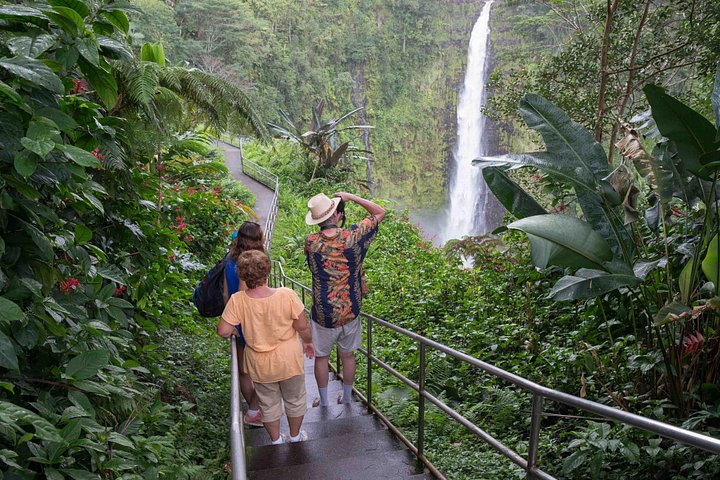 Isumo Waterfall is one of the most rewarding waterfall experiences in Rwanda because the journey to the falls takes visitors deep into the country’s ancient rainforest.
The waterfall is reached by hiking through the forest, where the trail itself becomes part of the attraction. Visitors may encounter birds, monkeys and dense vegetation before eventually reaching the cascade.
What makes Isumo particularly interesting is that it combines waterfall scenery with rainforest exploration. Instead of simply driving to a viewpoint, travelers have to walk through the forest and descend toward the waterfall.
It is therefore an excellent option for travelers staying around Nyungwe who want to add a relatively short nature hike to their itinerary.
2. Rusumo Falls – The Dramatic Border Waterfall
Rusumo Falls is perhaps the most dramatic waterfall associated with Rwanda. It lies along the Kagera River on the Rwanda–Tanzania border and measures approximately 15 metres high and 40 metres wide.
Unlike some hidden waterfalls that require hiking, Rusumo is relatively accessible, making it an interesting stop for travelers driving through eastern Rwanda.
The falls also have considerable historical importance. The Rusumo crossing was an important entry point into Rwanda during the colonial period, and the area later became associated with the 1994 genocide and refugee crisis.
For a traveler combining Akagera National Park with a Rwanda road trip, Rusumo can be incorporated as an additional attraction.
3. Gitinda Falls – A Quiet Southern Rwanda Escape
Gitinda Falls is a much less developed waterfall experience associated with the Nyamagabe area near Nyungwe.
Unlike established tourist attractions, reaching the falls can involve walking through tea-growing areas, villages and rural tracks. This makes the journey as interesting as the waterfall itself.
The lack of extensive tourist infrastructure is precisely what makes this type of experience attractive to adventurous travelers. Visitors can see agricultural landscapes and rural communities before reaching the waterfall.
Because access can be difficult to identify, arranging a local guide is advisable rather than attempting to find the waterfall independently.
4. Nyundo Falls – A Hidden Attraction Near Lake Kivu
Nyundo Falls is located in the Rubavu area of western Rwanda, making it an interesting addition to a Lake Kivu itinerary.
The waterfall is surrounded by lush vegetation and agricultural landscapes, including banana-growing areas. Its relatively quiet setting makes it suitable for travelers who want to explore beyond Rubavu’s main lakeside attractions.
A visit to Nyundo can be combined with time around Lake Kivu, allowing travelers to experience both the lake and Rwanda’s rural countryside in the same area.
5. Ndaba Falls – Waterfall and Lake Kivu Views
Near Karongi, formerly known as Kibuye, Ndaba is an interesting natural attraction because the waterfall experience can be combined with views of Lake Kivu.
The surrounding landscape is characterized by steep green hills descending toward the lake. This makes the area particularly attractive for photographers.
Rather than visiting only for the waterfall, travelers can make the experience part of a larger Lake Kivu adventure, combining hiking, viewpoints, boat trips and lakeside relaxation.
6. Kanyinya Falls – A Lesser-Known Nature Escape Near Kigali
One of the more interesting possibilities for travelers with limited time is Kanyinya Falls.
The attraction is associated with the outskirts of Kigali and offers an opportunity to leave the urban environment without committing to a long-distance journey.
This type of waterfall excursion can work well for visitors who have half a day available in Kigali and want to experience a more rural side of Rwanda.
The surrounding vegetation and countryside can also provide opportunities for birdwatching and photography.
7. Nyirangarama Falls – A Roadside Discovery
Nyirangarama Falls is particularly interesting for self-drive travelers because it can be incorporated into a journey between Kigali and the northern part of Rwanda.
Rather than requiring a major detour, it can serve as one of those spontaneous stops that make a road trip more interesting.
The surrounding landscape is typical of Rwanda’s highlands, with cultivated hills and rural settlements.
For travelers driving toward Musanze and Volcanoes National Park, stopping at smaller attractions such as this can turn an ordinary transfer day into a sightseeing experience.
8. Munyinya Falls – Northern Rwanda’s Quiet Landscape
Munyinya Falls is associated with the northern highlands around Gicumbi/Byumba.
This is the type of destination that appeals to travelers looking for less-developed nature experiences rather than established attractions with large visitor facilities.
The surrounding highland landscape features cultivated slopes, eucalyptus trees and cooler conditions.
Access can be more challenging than to major tourist attractions, so visitors should arrange local assistance and check current road and trail conditions before travelling.
9. Waterfalls Around Musanze
The Musanze region also has several smaller waterfalls and local attractions. Examples identified in current local-business listings include:
- Isaac Water Falls
- Philrunga Waterfall
- Cyuve Waterfall
- Urubogobogo waterfalls Tourist
- Agasumo ka Mukinga waterfalls
These smaller attractions are especially interesting for visitors staying in Musanze for gorilla trekking or Volcanoes National Park and looking for additional activities between trekking days.
Because some lesser-known sites have limited formal tourism infrastructure, it is sensible to confirm access locally rather than assuming that a map listing means there is an established hiking trail.
Why Rwanda Has So Many Waterfalls
Rwanda’s geography helps explain the abundance of waterfalls.
The country is dominated by hills and mountains, and its landscape forms part of the Congo-Nile watershed. Rivers and streams descend through steep terrain, particularly in the western and northern highlands.
Rainfall then feeds these waterways, producing cascades and waterfalls in forests, valleys and agricultural landscapes.
This is why waterfalls can be found in very different environments—from the rainforest of Nyungwe to the volcanic highlands around Musanze and the cultivated hills around Lake Kivu.
Best Time to Explore Rwanda’s Hidden Waterfalls
The waterfalls can generally be visited throughout the year, but the experience changes with the seasons.
During the rainy seasons, water levels are generally higher, making many waterfalls more powerful and impressive. However, hiking trails can become slippery and access roads to remote sites can deteriorate.
During the drier months, hiking is generally easier and visibility is often better. This can make the dry season more convenient for travelers planning a waterfall road trip.
For photographers, visiting shortly after rainfall can provide a good balance between strong water flow and relatively manageable trail conditions.
What to Carry
If you are exploring Rwanda’s lesser-known waterfalls, carry:
- Comfortable hiking shoes with good grip
- Lightweight rain jacket
- Drinking water
- Insect repellent
- Small first-aid kit
- Waterproof bag for electronics
- Camera or phone
- Snacks
- Appropriate outdoor clothing
- Offline maps or GPS
- Walking poles for steep trails, if needed
For remote waterfalls, a local guide is strongly recommended, particularly where trails cross farms or community land.
Hidden Waterfalls and Rwanda Self-Drive
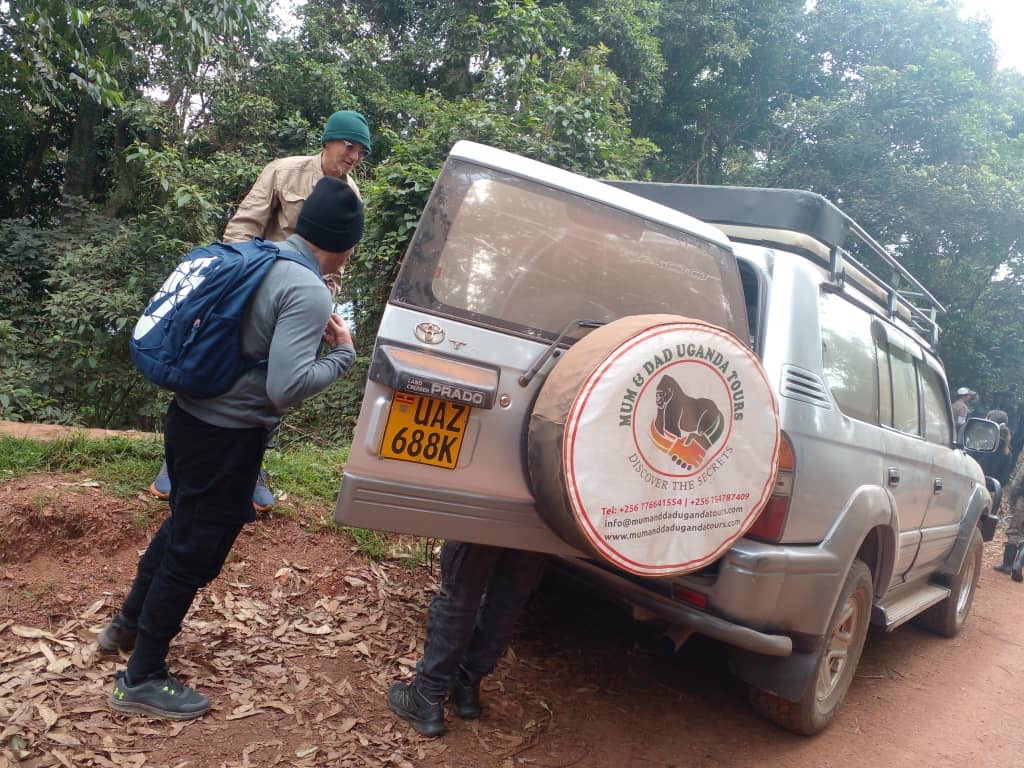 Waterfall hunting is particularly suitable for a Rwanda self-drive trip because some of these attractions can be incorporated into longer routes.
For example, a traveler could drive:
Kigali → Musanze → Volcanoes National Park → Rubavu → Lake Kivu → Karongi → Nyungwe → Rusizi
Along the way, waterfall stops can be added around Musanze, Rubavu, Karongi and Nyungwe. This approach allows travelers to experience a side of Rwanda that can easily be missed when following a conventional Kigali–gorilla trekking–Kigali itinerary.
Responsible Waterfall Tourism
Because some of these waterfalls are located outside formal national parks, visitors should take extra care when visiting. Avoid leaving plastic or other waste behind, respect farms and private property, ask before photographing people, and use local guides where appropriate.
Most importantly, do not assume that every waterfall pool is safe for swimming. Water depth, currents, slippery rocks and seasonal flooding can create hazards. Always ask a knowledgeable local guide before entering the water.
Final Thoughts
Rwanda’s waterfalls provide an opportunity to discover a quieter side of the country. While destinations such as Volcanoes National Park, Nyungwe and Lake Kivu receive much more attention, smaller waterfalls can turn an ordinary road trip or hiking excursion into something more adventurous.
For travelers looking for unusual Rwanda experiences, the most interesting approach is not simply to visit the biggest waterfall. Instead, combine a waterfall with local villages, tea plantations, hiking trails, scenic viewpoints and self-drive routes.
That combination transforms waterfall hunting into a broader experience of Rwanda’s landscapes and rural communities.