
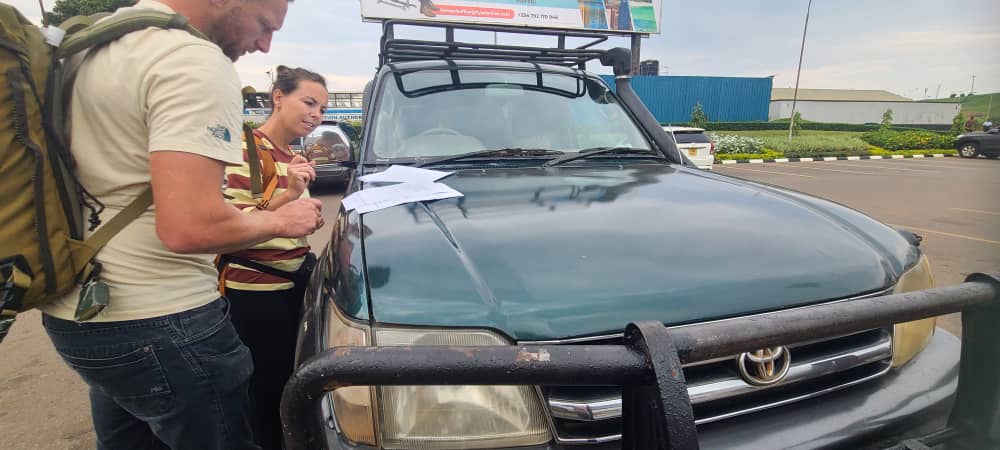
Understanding Road Conditions in Rwanda/ 4×4 Rwanda Car Rentals
Understanding road conditions in Rwanda is one of the most important parts of planning a successful self-drive safari. Rwanda is well known for its clean towns, organised road network and scenic highways that wind through the country’s famous hills. The main roads connecting Kigali with major towns are generally in good condition, but conditions can vary considerably once you leave the major highways and enter rural areas, national parks and secondary roads.
Main Roads and Highways
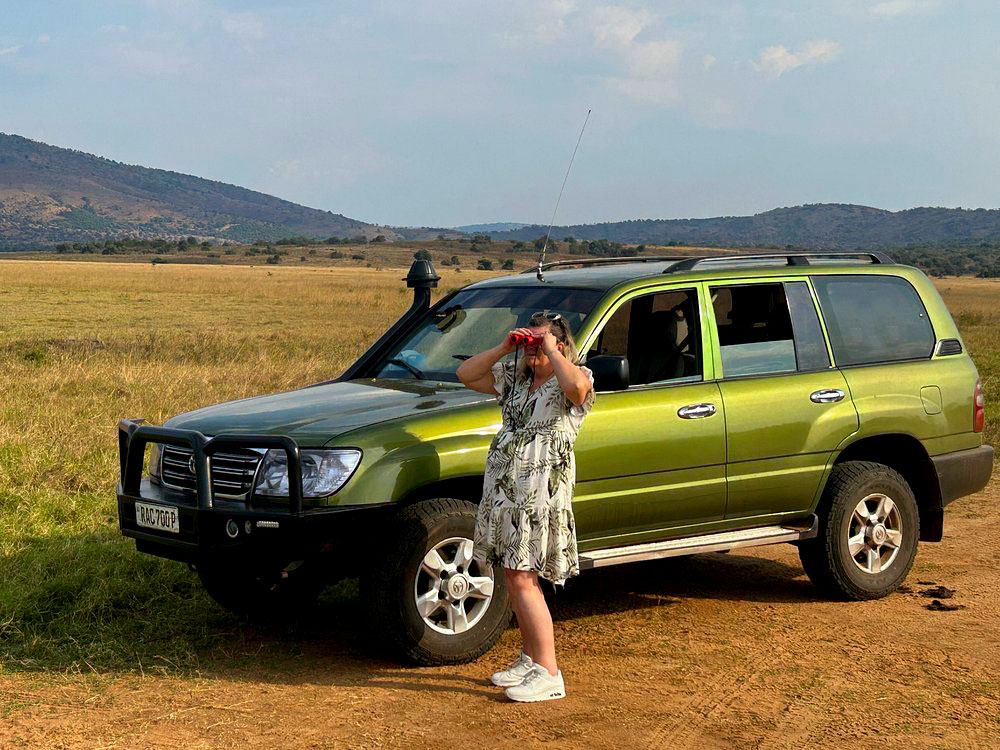 The main highways connecting Kigali with Rwanda’s major towns and tourist destinations are generally paved and maintained. These roads provide relatively comfortable driving conditions and connect Kigali with destinations such as Musanze, Rubavu, Huye, Rusizi and the eastern part of the country.
However, Rwanda’s mountainous terrain means that even good-quality roads can be winding and steep. A journey that appears short on a map may take longer than expected because of hills, bends, settlements and slower-moving traffic. When planning a self-drive itinerary, it is therefore better to calculate your journey based on driving time rather than distance alone.
The roads around Kigali are generally more developed, while conditions can become less predictable as you move into rural areas or onto smaller connecting roads.
Secondary and Rural Roads
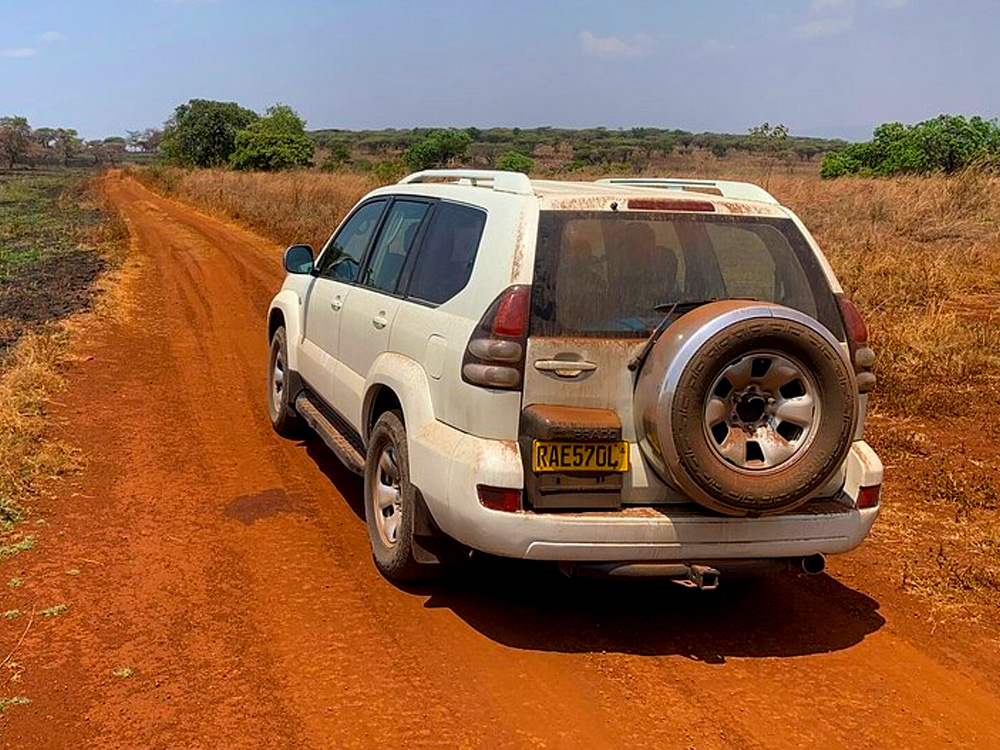
Once you leave the main highways, road conditions can change significantly. Many secondary and unpaved roads have limited or no shoulders, and some may require a four-wheel-drive vehicle, particularly during wet weather.
These roads are particularly important for travellers visiting rural communities, lodges, farms and certain areas around national parks. A road that is perfectly manageable in dry weather can become muddy, slippery or difficult after heavy rainfall.
For this reason, travellers planning a Rwanda self-drive safari should consider hiring a , especially when the itinerary includes Akagera National Park, rural areas or remote accommodation.
Road Conditions During the Rainy Season
 Rain is one of the most important factors affecting road conditions in Rwanda. The country’s main rainy periods generally occur from February to May and September to December. Heavy rainfall can cause flooding, landslides and temporary disruption on some roads.
The mountainous nature of Rwanda makes landslides an important consideration. When travelling during the rainy season, avoid planning very tight schedules because unexpected delays can occur.
A flexible itinerary is particularly useful. If heavy rain makes a secondary road difficult to navigate, you may need additional time or an alternative route.
Driving Through Rwanda’s Hills
Rwanda’s nickname, the “Land of a Thousand Hills,” tells you a lot about what to expect behind the wheel.
Many roads climb and descend continuously, with numerous bends and steep sections. This makes Rwanda incredibly scenic but requires patience from drivers.
When approaching a blind corner, reduce your speed and avoid overtaking unless you have a clear view ahead. Give yourself plenty of time when climbing steep roads, particularly when travelling in a fully loaded vehicle.
The hills also mean that your brakes, tyres and engine are working harder than they would on flat roads. Before starting a long self-drive journey, inspect the vehicle and make sure the tyres, brakes, spare wheel and essential equipment are in good condition.
Driving at Night
Night driving requires extra caution in Rwanda. Roads outside larger urban centres may have limited lighting, making it harder to see pedestrians, cyclists, motorcycles, animals and other road users. Official travel advice also recommends caution when driving at night.
For a self-drive safari, it is therefore advisable to organise your itinerary so that you arrive at your accommodation before darkness.
This is particularly important when travelling to national parks or remote lodges, where roads may be unfamiliar and lighting may be limited.
A good rule for Rwanda self-drive trips is: start early and finish your major driving before sunset.
Traffic and Other Road Users
Rwanda’s roads are shared by cars, motorcycles, bicycles, pedestrians, buses, trucks and livestock. In towns and villages, pedestrians and cyclists can be particularly common along the roadside.
Drivers should therefore avoid excessive speed and remain alert even when the road appears clear. Official U.S. travel guidance notes speeding by other drivers as a significant road risk and warns that street lighting can be limited.
Motorcycles are also common on Rwandan roads. When overtaking or approaching a motorcycle, maintain sufficient space and be prepared for sudden changes in movement.
Road Conditions Around National Parks
Road conditions can vary considerably depending on the national park.
Akagera National Park offers one of Rwanda’s best self-drive safari experiences, but once inside the park you will be driving on safari tracks rather than normal paved highways. A suitable vehicle is important, particularly after rainfall.
Volcanoes National Park is accessible by good roads towards the Musanze area, but roads around accommodation and rural communities can vary. The mountainous terrain also means that journeys can involve steep and winding sections.
Nyungwe National Park is reached through mountainous terrain, with winding roads around the forest. The main approach roads can provide good access, but travellers should allow sufficient time because of the terrain and weather.
For all national parks, it is important to distinguish between driving to the park and driving inside the park. Activities such as gorilla trekking and chimpanzee trekking are organised experiences and are not simply independent self-drive activities.
Choosing the Right Vehicle
For a basic Kigali road trip using major highways, a standard vehicle may be adequate. However, a 4×4 is the better choice for a comprehensive Rwanda self-drive safari.
A 4×4 offers greater ground clearance and better capability on rough, muddy or uneven roads. It is particularly useful if your itinerary includes national parks, rural accommodation or roads that may deteriorate during the rainy season.
Before accepting your rental vehicle, check the tyres, spare tyre, jack, brakes, lights, windscreen, mirrors and basic emergency equipment. Also make sure you understand how to operate the vehicle before leaving the rental office.
Navigation and Road Planning
Do not rely entirely on mobile internet when driving through rural Rwanda. Download offline maps before leaving Kigali and keep your phone charged.
When planning each day’s journey, identify fuel stations, accommodation and major towns along the route. Avoid allowing your fuel tank to become nearly empty before entering remote areas.
It is also wise to check weather conditions before beginning a long journey, particularly during the rainy seasons.
What to Do If You Encounter Poor Road Conditions
If you suddenly encounter mud, flooding, potholes or a damaged road, do not rush through it.
Reduce your speed and assess the road before proceeding. If the road is flooded, avoid entering water when you cannot determine its depth or whether the surface underneath is stable.
On muddy roads, maintain controlled momentum rather than accelerating aggressively. Avoid sudden steering and braking movements.
If conditions become unsafe, the best decision may be to turn around and find an alternative route rather than risking the vehicle.
Another important consideration is roadside assistance. Current U.S. travel guidance notes that professional roadside assistance is not widely available in Rwanda, so travellers should not assume that help will immediately reach them after a breakdown.
Road Conditions and Your Rwanda Self-Drive Itinerary
 Road conditions should directly influence how you design your itinerary.
Instead of planning to drive from one destination to another every day, consider staying two or three nights in key locations. This gives you time to explore without constantly worrying about covering long distances.
For example, a comfortable route could be:
Kigali → Akagera National Park → Kigali/Musanze → Volcanoes National Park → Lake Kivu → Nyungwe National Park → Kigali.
This allows you to combine paved highways, national park tracks and scenic mountain roads without making the trip feel like a race.
Important Current Regional Consideration
If your itinerary takes you towards Rwanda’s western and southwestern border areas, check current travel advisories before departure. As of , the UK advises against all but essential travel to parts of Rusizi District within 10 km of the DRC border, while the U.S. advises against travel within 10 km of Rwanda’s DRC border because of security risks. These restrictions can change, so travellers should check current official advice when planning routes near the border.
Final Thoughts
Understanding Rwanda’s road conditions is essential for anyone planning a self-drive adventure. The country’s main roads are generally good, but the combination of mountainous terrain, winding roads, rural tracks, rainfall, pedestrians, cyclists and changing road surfaces means that drivers need to remain patient and alert.
The best approach is to choose a suitable 4×4, avoid unnecessary night driving, allow extra time for mountainous routes, monitor weather conditions and avoid rushing between destinations.
Most importantly, remember that the road is part of the Rwanda experience. The hills, villages, plantations, forests and spectacular viewpoints are not obstacles between attractions—they are some of the highlights of travelling through the Land of a Thousand Hills