
Road Rules and Safety Tips in Rwanda, Driving in Rwanda is generally straightforward, especially on major roads and around Kigali, but visitors should understand the country’s traffic rules and adapt to its hilly terrain, winding roads, pedestrians, motorcycles and changing weather conditions. Rwanda drives on the right-hand side of the road, and drivers are expected to carry a valid driving licence. International driving licences are recognised, making Rwanda convenient for international self-drive travellers.
1. Drive on the right-hand side
Unlike Uganda, Kenya and Tanzania, Rwanda follows right-hand traffic. Keep your vehicle on the right side of the road and use the left side primarily for overtaking where conditions allow. This is particularly important for travellers arriving from neighbouring East African countries where driving is on the left.
When approaching bends, junctions, hills or narrow sections, maintain your lane and avoid drifting across the centre of the road.
2. Always carry your driving licence
You should have your valid driving licence with you whenever you are driving. Rwanda recognises international driving licences as well as certain foreign national licences. If you are hiring a vehicle, also keep the rental and insurance documentation available in the vehicle.
3. Observe speed limits carefully
Speed limits vary according to the road, location and posted signs, so always follow the speed limit displayed on the road rather than relying on a general national limit.
Speed enforcement is taken seriously in Rwanda. The Rwanda National Police operates both fixed and mobile speed cameras, including cameras installed on roads in Kigali and on highways across the country.
For a self-drive safari, it is particularly important not to speed simply because a road appears empty. Rwanda’s mountainous terrain means that sharp bends, pedestrians, motorcycles and animals can appear unexpectedly.
4. Wear seat belts
Seat belts should be used whenever travelling in the vehicle. Rwanda’s official travel information specifically states that front-seat passengers must wear seat belts.
For a rental vehicle, it is good practice to ensure that everyone in the vehicle is properly restrained before starting the journey.
5. Do not use your phone while driving
Using a mobile phone while driving is prohibited. Rwanda’s official travel guidance specifically warns against mobile-phone use while driving.
If you need to use Google Maps or another navigation application, set your route before moving or use a hands-free system. Avoid stopping in unsafe locations simply to check your phone.
6. Be extremely careful when overtaking
Overtaking requires particular caution on Rwanda’s winding and hilly roads. Do not overtake near blind corners, hill crests, junctions, pedestrian crossings or where road markings prohibit the manoeuvre.
Rwanda National Police advises drivers to make sure there is sufficient clear distance before overtaking and that the manoeuvre will not endanger vehicles travelling in either direction.
For self-drive travellers: if you cannot clearly see the road ahead, wait. A few minutes of patience is far safer than attempting to overtake on a blind bend.
7. Give priority at roundabouts
Roundabouts are common, particularly around Kigali and other urban areas. Drivers should give priority to vehicles already circulating in the roundabout and remain in their appropriate lane.
Avoid stopping inside a roundabout unless absolutely necessary. Use your indicators correctly and signal before taking your exit. Rwanda National Police has specifically highlighted incorrect signalling and failure to give priority at roundabouts as common problems.
8. Obey traffic lights and road signs
Rwanda has an increasingly sophisticated traffic-control system. Drivers should obey traffic lights, road markings, pedestrian crossings and warning signs.
Kigali and other areas use automated systems, including red-light cameras and speed cameras, to detect traffic violations.
Do not assume that a quiet intersection means you can ignore a red light.
9. Watch for pedestrians and motorcycles
Pedestrians and motorcycles are important road users throughout Rwanda. Slow down when passing through towns, trading centres, schools and densely populated areas.
Be especially cautious around motorcycle taxis, which are common in Rwanda. Give them adequate space and expect them to slow down, change lanes or turn at short notice.
Pedestrian crossings should also be taken seriously. Rwanda National Police regularly emphasises the importance of using designated crossings and respecting pedestrian movement.
10. Reduce speed on mountain roads
Rwanda is known as the Land of a Thousand Hills, and many journeys involve steep slopes, winding roads and sharp bends. Even roads that are well paved can become challenging because of the terrain.
When driving through mountainous areas:
- Reduce speed before entering bends.
- Use lower gears on steep descents.
- Avoid sudden braking on slippery surfaces.
- Maintain a safe distance from vehicles ahead.
- Do not overtake near blind corners.
- Watch for pedestrians, bicycles and motorcycles.
- Allow extra time for your journey.
11. Take extra care during rain
Heavy rain can make roads slippery and reduce visibility. Water can also accumulate on sections of road, while mud and debris may occasionally reach the roadway in mountainous areas.
During wet weather, slow down, increase your following distance and avoid sudden braking or steering. If visibility becomes extremely poor, find a safe place to stop rather than continuing at normal speed.
12. Never drive under the influence of alcohol
Driving after drinking alcohol is dangerous and subject to enforcement. Rwanda’s updated road-traffic framework has strengthened measures concerning alcohol and dangerous driving, including provisions for alcohol testing and penalties.
For tourists on a self-drive trip, the safest approach is simple: if you are driving, do not drink.
13. Check the vehicle before starting your journey
Before leaving with a rental vehicle, inspect the tyres, spare tyre, brakes, lights, indicators, windscreen, mirrors and fluid levels. Make sure the jack and basic tools are available.
This is particularly important before travelling into remote areas or national parks, where assistance may take longer to reach you. Rwanda’s road-safety authorities emphasise vehicle inspection and roadworthiness as part of accident prevention.
14. Keep a safe following distance
Do not drive too close to the vehicle ahead. Maintaining a reasonable distance gives you more time to react when traffic slows suddenly, particularly on steep roads or in busy towns.
Increase the distance further when driving at night, in rain, on dusty roads or behind large trucks.
15. Be cautious when driving at night
Night driving can be more challenging outside Kigali because of limited visibility, pedestrians, motorcycles, cyclists and unexpected road hazards.
If you are on a self-drive safari, it is generally better to plan your daily movements so that you arrive at your accommodation before darkness. This is particularly useful when travelling on unfamiliar rural roads.
16. Follow police instructions
Traffic police operate throughout Rwanda, and traffic offences can result in on-the-spot fines. The Rwanda National Police provides a traffic-fines system and information for motorists who receive infringement notices.
Remain calm and respectful during traffic stops, and keep your driving and vehicle documents accessible.
17. Do not block lanes or intersections
Avoid stopping unnecessarily on traffic lanes, roundabouts, pedestrian crossings or intersections. On multi-lane roads, use the appropriate lane and keep the overtaking lane clear when you are not overtaking.
This is especially important in Kigali, where traffic can become busy during peak hours. Rwanda National Police has warned motorists against blocking passing lanes and disrupting normal traffic flow.
18. Safety tips for Rwanda self-drive safaris
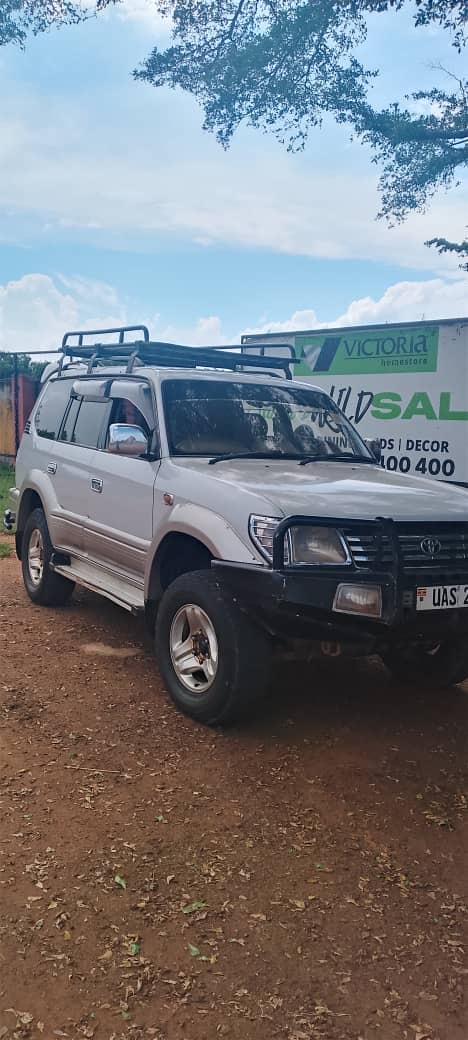
For travellers hiring a 4×4 vehicle for a Rwanda self-drive safari, road safety should go beyond simply following traffic regulations. Plan your route carefully, check weather and road conditions before departing, carry sufficient water and fuel, and avoid rushing between destinations.
A reliable 4×4 vehicle is particularly useful if your itinerary includes remote areas, unpaved roads or national parks. Drive slowly on rough sections and remember that the objective is to enjoy the journey rather than cover every kilometre as quickly as possible.
Quick Rwanda driving safety checklist
- Drive on the right-hand side.
- Carry your valid driving licence.
- Follow posted speed limits.
- Wear seat belts.
- Never use a handheld phone while driving.
- Do not drink and drive.
- Give priority to vehicles already in roundabouts.
- Obey traffic lights, signs and road markings.
- Avoid dangerous overtaking.
- Slow down on bends, hills and during rain.
- Watch carefully for pedestrians, cyclists and motorcycles.
- Inspect your rental vehicle before departure.
- Avoid unnecessary night driving.
- Allow extra time for mountainous journeys.
For a Rwanda self-drive safari, the most important rule is to drive defensively. Rwanda has good major road infrastructure and active traffic enforcement, but its hills, winding roads, changing weather and mixed road users require patience and concentration. Speed cameras and other automated enforcement systems are widely used, so following the rules is not only safer but also essential for avoiding traffic penalties.