
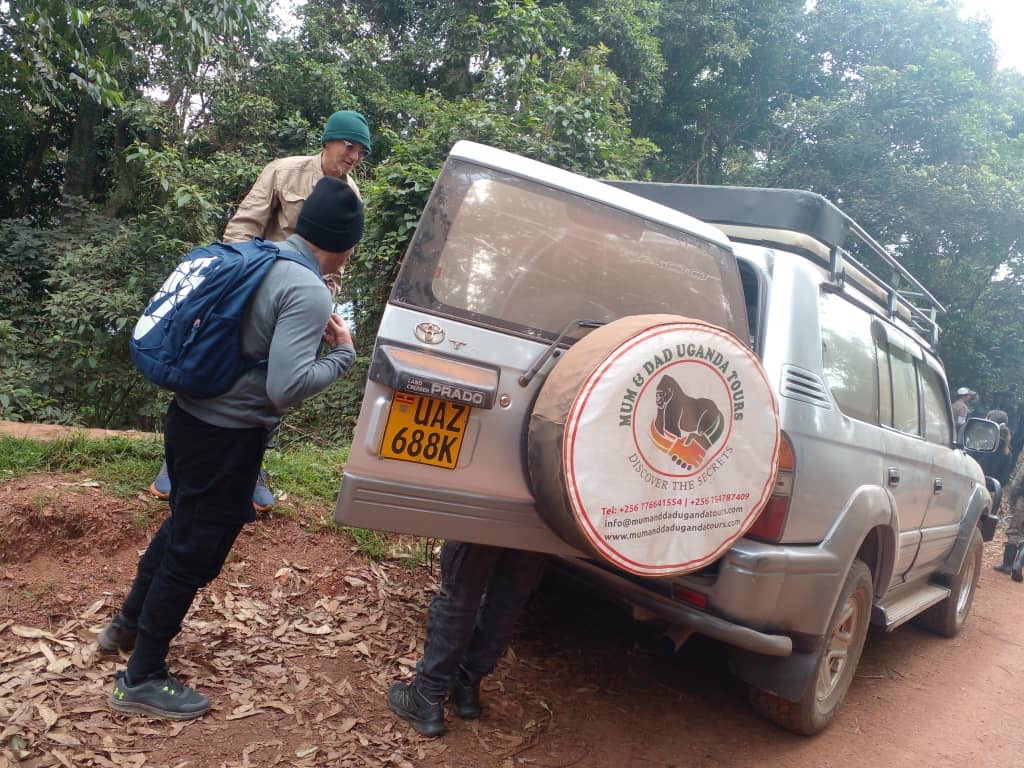
Going on your first self-drive trip is an exciting way to explore a new destination at your own pace. Instead of following a fixed tour schedule, you can choose where to stop, how long to stay, and which routes to take. However, driving in an unfamiliar country also requires preparation, patience, and good road awareness.
For travellers planning a Rwanda self-drive safari, the experience can be particularly rewarding because the country combines well-maintained major roads, scenic countryside, mountain landscapes, national parks, and interesting roadside communities. Before collecting your rental car, it is important to understand the roads, driving rules, vehicle, navigation, and unexpected situations you may encounter.
Choose the Right Rental Car
Your vehicle can significantly affect your self-drive experience. Before booking, consider the type of roads you will use, the number of passengers, luggage, and whether you will visit national parks.
A small car may be sufficient for a city trip and major paved roads, while a 4×4 vehicle is more suitable if your itinerary includes national parks, unpaved roads, steep terrain, or remote areas.
For a safari, consider factors such as ground clearance, luggage capacity, spare tyres, fuel consumption, and the availability of recovery equipment.
Do not choose a vehicle simply because it is the cheapest option. The right vehicle should match your itinerary and the road conditions you expect to encounter.
Learn the Vehicle Before Leaving
First-time self-drive travellers should spend a few minutes familiarising themselves with the rental vehicle before starting the journey.
Check how the following work:
- Headlights and indicators
- Windscreen wipers
- Air conditioning
- Hazard lights
- Parking brake
- Gear selector
- Four-wheel-drive system, if fitted
- Spare tyre and jack
- Fuel-door release
- Bonnet release
- Dashboard warning lights
If you are driving an automatic vehicle for the first time, practise starting, stopping, reversing and parking before entering busy traffic.
For a 4×4, ask the rental company to explain how and when to use four-wheel drive and any available terrain or low-range settings.
Inspect the Car Carefully
Before accepting the vehicle, inspect it thoroughly with the rental representative.
Look for scratches, dents, cracked windows, damaged mirrors, worn tyres and other visible defects. Take photographs or videos of the vehicle from different angles and make sure existing damage is recorded on the rental agreement.
Also check the condition of the tyres, including the spare tyre.
This simple step can prevent disagreements when you return the vehicle.
Understand the Driving Rules
Never assume that driving rules are the same as those in your home country.
Before starting your trip, understand the country’s:
- Speed limits
- Overtaking rules
- Road signs
- Parking regulations
- Seat-belt requirements
- Mobile-phone restrictions
- Alcohol and driving laws
- Required vehicle documents
Pay particular attention to road signs and intersections when entering towns and cities.
Start With an Easy Route
If this is your first time driving in a foreign country, don’t make your first journey the longest or most complicated part of your trip.
Start with a relatively easy route so you can become comfortable with the vehicle, road signs, traffic and local driving habits.
Once you understand the roads and feel confident with the vehicle, longer journeys and more remote routes become much easier.
Don’t Depend Entirely on Your GPS
Navigation apps are extremely useful, but they should not be your only source of information.
Download offline maps before leaving areas with reliable internet connectivity. Keep your route information available in case your phone loses signal or battery power.
It is also useful to know the general direction of your destination rather than blindly following the navigation instructions.
Sometimes a GPS may recommend a shorter route that is unsuitable for your rental vehicle or difficult during rainy weather.
Plan Your Fuel Stops
Never assume that you will find a fuel station whenever you need one.
Before travelling into rural areas or national parks, check where the next reliable fuel station is located. It is better to refuel when the tank is comfortably above empty rather than waiting until the fuel warning light comes on.
For longer journeys, especially through remote areas, calculate your approximate fuel requirements before leaving.
Avoid Driving Too Late
First-time travellers should avoid unnecessary night driving in unfamiliar areas.
During daylight, it is generally easier to identify potholes, pedestrians, cyclists, animals, road signs and unexpected obstacles.
Night driving can become more challenging on rural roads where lighting may be limited. Plan your daily route so that you can reach your accommodation before dark whenever possible.
Slow Down on Unfamiliar Roads
One of the biggest mistakes new self-drive travellers make is driving at the same speed they would use on familiar roads at home.
Unfamiliar roads require additional caution. Slow down when approaching bends, towns, intersections, potholes, pedestrians and roadworks.
On gravel roads, reduce your speed further because loose surfaces can reduce traction and increase stopping distances.
Remember that reaching your destination safely is more important than saving a few minutes.
Be Careful on Mountain Roads
Mountainous destinations can have steep climbs, descents and sharp bends.
When descending, avoid excessive speed and use the appropriate gear or driving mode to help control the vehicle. Do not rely continuously on hard braking because brakes can become hot during long descents.
Approach blind corners carefully and stay alert for vehicles approaching from the opposite direction.
Expect Changing Road Conditions
A journey may begin on a smooth paved road and later transition to gravel, dirt or rough tracks.
Weather can also change road conditions. Heavy rain can create mud, puddles and slippery surfaces, while construction can result in temporary diversions.
Always adjust your driving to the conditions rather than relying on the speed limit alone.
Keep a Safe Distance
Maintain enough distance between your vehicle and the vehicle ahead.
A safe following distance gives you more time to react if the driver in front suddenly brakes, encounters a pothole, stops for pedestrians or meets an obstacle.
Increase the distance further on gravel, wet roads and busy highways.
Be Patient With Local Traffic
Driving in another country means encountering traffic patterns that may be different from what you are used to.
You may encounter motorcycles, bicycles, pedestrians, buses, trucks, animals and vehicles stopping unexpectedly.
Avoid aggressive driving and unnecessary overtaking. Patience is especially important when travelling through busy towns and markets.
Be Careful When Overtaking
Only overtake when you have a clear view of the road ahead and sufficient space to complete the manoeuvre safely.
Avoid overtaking near blind corners, hills, junctions or areas where pedestrians and motorcycles are common.
If you are unsure whether an overtaking opportunity is safe, wait.
Don’t Let the Scenery Distract You
Scenic roads can be one of the highlights of a self-drive trip, but beautiful views can also become a distraction.
If you want to take photographs, find a safe designated stopping area rather than stopping suddenly on the road.
Never use your phone to take photographs or videos while driving.
Keep Important Documents Accessible
Carry the documents required for your journey and keep them safely accessible.
Depending on the destination and rental arrangement, these may include your passport or identification, driving licence, rental agreement, insurance documents and vehicle documentation.
If you are crossing an international border with a rental vehicle, make sure you have obtained the necessary permission and documentation from the rental company before departure.
Carry Emergency Essentials
Even on a well-planned journey, unexpected situations can happen.
It is useful to carry:
- Drinking water
- Phone and power bank
- Offline maps
- First-aid supplies
- Torch
- Basic snacks
- Spare tyre and appropriate tools
- Emergency contacts
- Cash for situations where electronic payment may not be available
For remote safari routes, additional preparation may be necessary.
Know What to Do if the Car Breaks Down
Before leaving the rental office, save the rental company’s emergency and roadside-assistance number.
If the vehicle develops a serious mechanical problem, move to a safe location if possible and contact the rental company rather than attempting complicated repairs yourself.
If you experience a puncture, only change the tyre yourself if you know how and can do so safely away from traffic.
Be Prepared for Wildlife
If your self-drive itinerary includes a national park, remember that you are entering a wildlife environment.
Never approach wild animals, chase them or attempt to attract their attention for photographs.
Stay inside the vehicle where required, follow park regulations, and maintain a safe distance from animals.
Do not assume that an animal is harmless simply because it appears calm.
Avoid Getting Stuck
When driving on muddy or sandy roads, avoid stopping unnecessarily in soft sections.
If you encounter a difficult section, assess it before driving through. Consider the depth, slope, surface and available exit route.
If your vehicle has four-wheel drive or other terrain settings, use them according to the manufacturer’s instructions.
Most importantly, avoid aggressive acceleration when the wheels begin spinning. Excessive wheel spin can make the situation worse.
Take Regular Breaks
Long-distance driving can be tiring even when the roads are good.
Plan regular stops to stretch, eat, drink water and rest. If two people are authorised to drive the rental vehicle, sharing driving duties can reduce fatigue.
Never continue driving when you are struggling to stay alert.
Don’t Overpack the Vehicle
Keep luggage organised and avoid blocking windows or mirrors.
Heavy luggage should be secured properly so that it does not move around during sudden braking.
If you are travelling with several passengers and safari equipment, make sure the vehicle has enough space before booking.
Have a Flexible Itinerary
One advantage of self-driving is freedom, but this does not mean every minute of the trip needs to be planned.
Leave some flexibility in your schedule for unexpected road delays, weather, interesting viewpoints, local markets or wildlife sightings.
Avoid planning extremely long driving days simply to visit more destinations. A slower itinerary can make the trip more enjoyable and safer.
Respect Local Communities
Self-drive travellers often pass through villages and rural communities that are not traditional tourist attractions.
Drive slowly through settlements, respect pedestrians, avoid unnecessary horn use, and ask for permission before photographing people.
Remember that you are a visitor in the communities through which you travel.
Have an Emergency Backup Plan
Before beginning your trip, know what you will do if your phone stops working, your vehicle breaks down, you miss a turn or bad weather changes your route.
Save important telephone numbers and accommodation details offline.
It is also useful to tell someone you trust about your general itinerary, particularly if you are travelling into remote areas.
Take Your Time
The most important advice for a first-time self-drive traveller is simple: do not rush.
You are learning a new vehicle, navigating unfamiliar roads and experiencing a new destination at the same time. Give yourself enough time to stop, check the route, ask for directions when necessary and adjust your plans.
A successful self-drive trip is not measured by how many kilometres you cover. It is about reaching your destinations safely while enjoying the freedom of exploring at your own pace.
Final Advice for First-Time Self-Drive Travellers
Your first self-drive adventure can be both safe and enjoyable if you prepare properly. Choose a vehicle suited to your route, inspect it before departure, understand the local driving rules, download offline navigation, plan your fuel stops and avoid unnecessary night driving.
For a Rwanda self-drive safari, take particular care on mountain roads, rural routes and national park tracks. Drive according to the road and weather conditions, respect wildlife and local communities, and keep your rental company’s emergency contacts available throughout the trip.
Most importantly, drive defensively, stay patient and give yourself plenty of time. With good preparation and responsible driving, self-drive travel gives you the freedom to experience Rwanda beyond the usual tourist routes.